
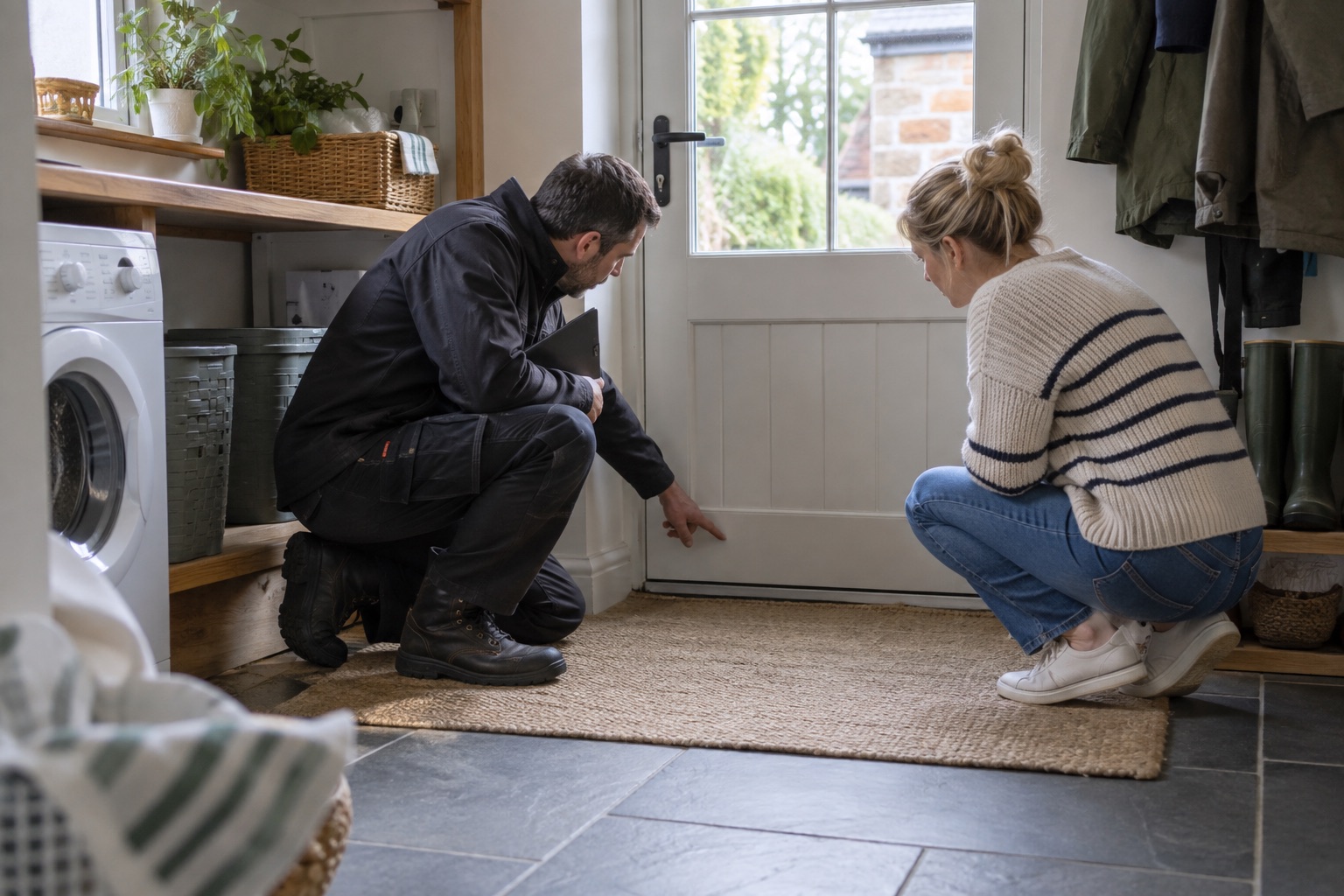
Good prevention starts with the pest, entry route and food or shelter it may be using. Sealing an appropriate gap, managing waste and keeping relevant areas accessible can reduce opportunities, but a generic “natural” remedy is not a diagnosis.
What evidence helps?
Record evidence before changing too much. Note actual sightings, routes and conditions rather than assuming a scent, sound device or household mixture will affect the right place.
What can you do now?
Use the least disruptive practical measures that address an identified cause. Do not block ventilation, seal an active animal inside, or put unlabelled substances where children or pets may contact them.
Details worth including in your enquiry
- The identified pest and accessible route
- Whether a proposed measure blocks ventilation
- What result is expected from prevention alone
Describe observations in your own words and tell us about any treatment already used. Photos can be useful, but there is no need to take a risky close-up, handle droppings or disturb a nest. If a landlord, tenant or manager needs to provide access, say who can coordinate that before a visit is discussed.
Agreeing a useful next step
Ask which non-chemical steps are suitable, what their limits are, and whether a professional product is proposed. If so, request the specific preparation, exclusion and re-entry instructions.
Before agreeing work, ask for the proposed area and method, any preparation or temporary exclusion, the number of visits, the full price and what would lead to a follow-up. Product-specific written instructions take priority over a general article. Sending an enquiry or naming a preferred day does not make a booking.
A common question
Can a chemical-free approach always solve the problem?
No. Suitability depends on the pest, access and evidence at the property.