
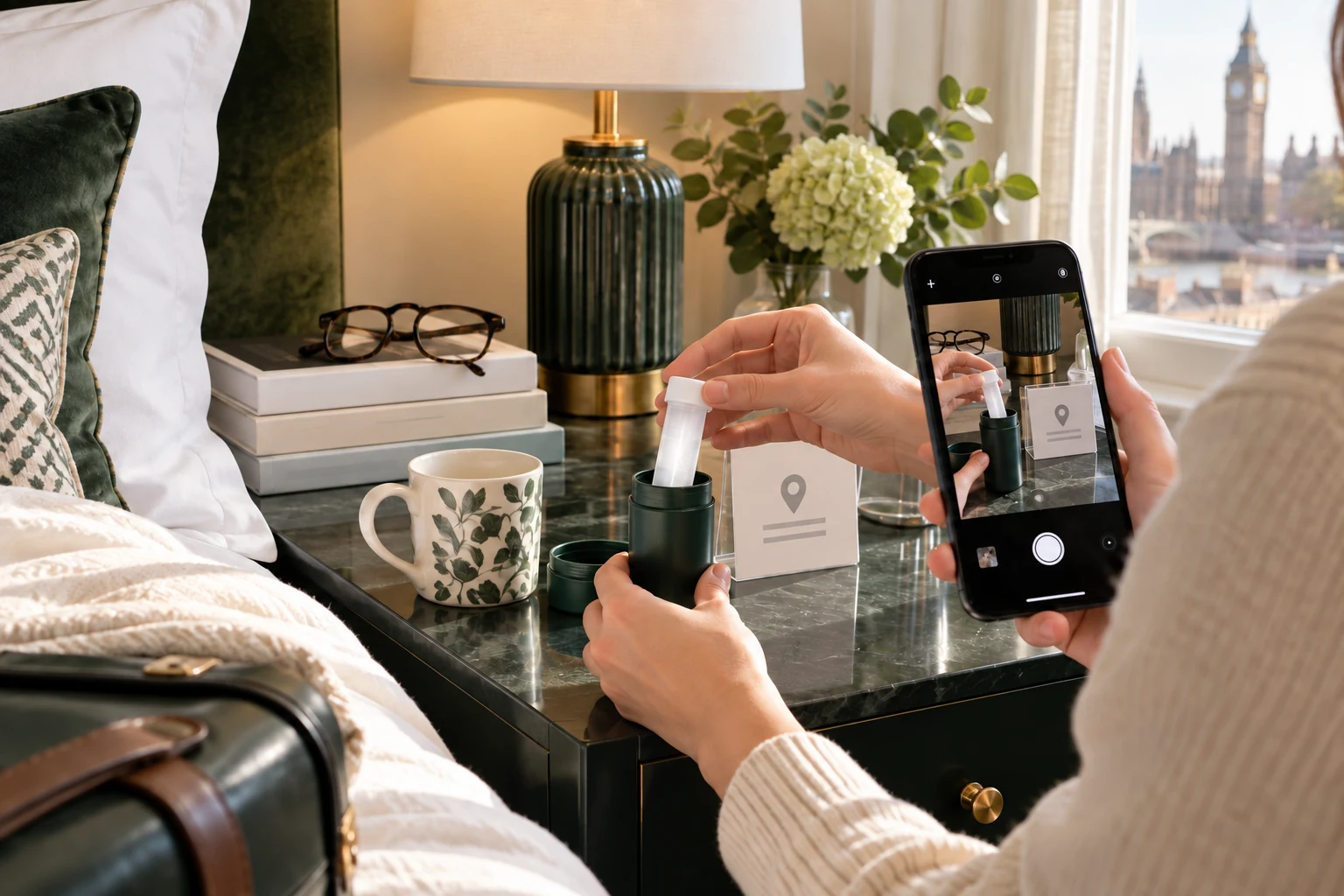
One insect can be strong evidence if it is identified reliably, but a quick glance is not always enough to confirm a bed-bug problem or its extent. Keep the specimen or a clear photograph if you can do so without crushing it, record exactly where it was found, and avoid moving belongings between rooms while you arrange identification.
What a single find can — and cannot — tell you
A recognisable insect found on a mattress seam or bed frame deserves prompt attention. Bed bugs can also hide in furniture, clothing, behind pictures and beneath loose wallpaper, so the place where an insect appears is only part of the evidence. Similar-looking household insects, an incomplete specimen or a blurred photograph can all make remote identification uncertain.
Even a confirmed bed bug does not reveal how many are present, how long they have been there or which rooms are affected. It also does not establish where the insect came from. Those questions require inspection of likely harbourages and a careful account of recent observations. Conversely, not finding another insect during a brief look does not prove the room is clear.
Skin marks should not be used as the deciding test. The NHS describes bites as one possible sign alongside blood spots and small brown spots on bedding or furniture, but reactions vary and marks can have other causes. If you need advice about a skin reaction, use NHS 111 or another appropriate healthcare route; a pest inspection is for identifying activity in the property, not diagnosing a medical condition.
Preserve the useful evidence
If the insect is already captured, place the closed container somewhere it cannot be disturbed and keep it away from children and pets. Do not handle an unknown insect unnecessarily. A photograph can help when it is sharp, well lit and includes a size reference, but do not put yourself at risk to take one.
Write down the room, the exact surface and the date and time. “On the living-room sofa beside the armrest on Tuesday evening” is more useful than “downstairs”. Add any other property signs you have actually seen, such as spotting on a bed frame, without interpreting them as confirmation. Note whether the room is regularly slept or rested in and whether luggage, second-hand furniture or belongings have recently moved through it. These are inspection clues, not proof of a source.
Avoid carrying bedding, cushions or clothing into a different room simply to inspect or wash everything at once. Moving items loses the original location context and places suspect belongings in an additional room. Before changing sleeping arrangements, ask how the change would affect inspection; if you must move for another reason, explain what changed when you call.
What to ask during the first conversation
A useful enquiry is short and factual: what was found, where it was found, whether the specimen or photograph is available, which rooms have relevant signs, and what has already been moved or treated. Mention children, pets, pregnancy, allergies, mobility needs or delicate possessions because these can affect access and method selection.
Also list any products already used, including the name on the label and the areas treated. Do not combine products or repeat an application to “make sure”. HSE guidance says a biocidal product must be suitable for its intended use, members of the public must not use professional-only products, and label instructions must be followed. A technician needs the previous-product information to plan safely.
The next step may be identification from good evidence, an inspection, monitoring or a treatment proposal. Ask what areas need to be accessible and whether anything should remain undisturbed. Preparation should follow the proposed method rather than a universal internet checklist.
When to call
Call promptly if the specimen appears consistent with a bed bug, if you have repeated property signs near sleeping or resting places, or if evidence is appearing in more than one room. You do not need to diagnose the issue first. For bed-bug advice from The City Pest Company, call 0203 393 2338 and describe the evidence you have. You can also review the bed-bug service page before the conversation.
FAQs
Should I throw away the bed or sofa?
Not on the strength of one uncertain insect. Disposal can be unnecessary, can remove useful inspection evidence and can create handling problems. Ask what can be inspected and treated before making that decision.
Is a photograph enough for identification?
Sometimes a clear image supports a confident identification; sometimes scale, detail or condition makes it inconclusive. Keep the specimen as well if it is already safely contained.
Does one bed bug mean every room needs treatment?
No conclusion about treatment scope follows automatically from one find. The location, inspection findings, room use and chosen method all matter.
Can I spray the area while I wait?
Avoid unplanned product use. If you have used anything already, keep the packaging and tell the technician the product, date and location. Follow the label and never use a professional-only product.
Sources and further reading
External references may contain pest or skin photographs.